



Sugar Mill West Apartments is not only a sleek and immaculate member of the 1st Lake community, but is also lending their altruistic powers this week for The Blood Center.
Sugar Mill West will host a blood drive from 11 a.m. to 3 p.m. on Friday, June 8 to increase the The Blood Center’s supply which serves hospitals throughout South Louisiana and parts of the Mississippi Gulf Coast.
The Sugar Mill West apartments have a modern design located on a beautifully landscaped plot on the banks of Lake Pontchartrain in Kenner, Louisiana. This 1st Lake property features studio, one and two bedroom spaces with wood tone flooring, washer and dryers, large closets and sun rooms as part of their accommodating facilities. A lighted pool and swimming court, fountains, bridges and an electronic access gate are among the exciting luxury amenities that make Sugar Mill West feel like a residential resort.
The blood drive is an excellent opportunity to get acquainted with the lovely grounds and interior of Sugar Mill West, and to assist in their mission to aid The Blood Center which will bring important healthcare to Gulf Coast patients.
Renovated apartments are now available. Call today for apartment specials: 504-469-0566.
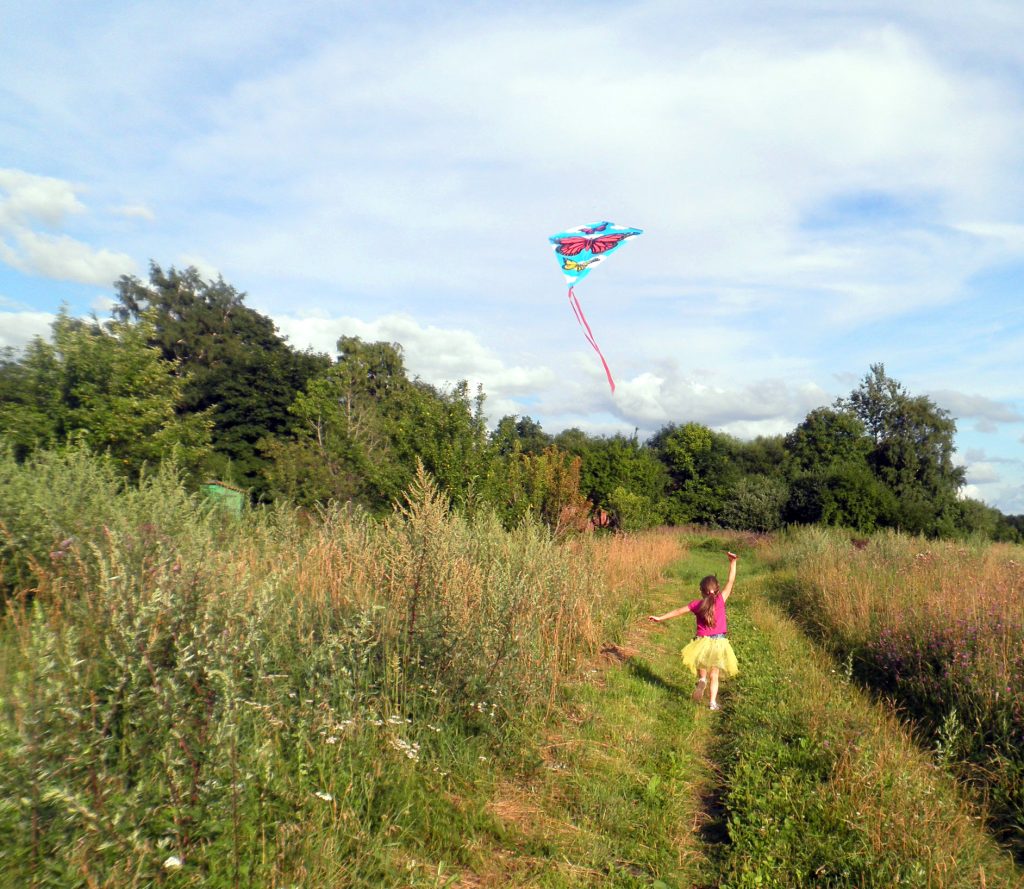
Learning how to fly a kite is one of the quintessential summer break activities. And now that school’s out for summer, the kids are home a lot more and looking to maximize on fun in the sun while they can!
There’s no better way for them to have fun, exercise and work out their energy while spending some quality family time than kite flying at the local park. But before embarking on this day-time adventure, you might be wondering about some logistics.
Here’s everything you need to know about flying a kite!
Sure, you could go buy a fancy kite with a bunch of bells and whistles at the store where it will probably be overpriced. But then you’d miss out on half the fun of flying a kite!
The truth is, kites are easy and very affordable to make. Plus, kids will experience the joy of seeing something they created come to life – like little Ben Franklins!
There are many different kite designs to choose from. Wind intensity will definitely factor in to how structured the kite should be, but here are the directions for making the most basic kind of kite. It gives you all the details, from cutting out the shape to making the spars and the bridle line. For more advanced designs or for flying in stronger wind conditions, refer to this comprehensive kite-making chart.
To make a standard dowel kite, you’ll need the following tools and materials: electrical tape, clear Scotch tape, colored plastic bags, dark garbage bags, 12 inch bamboo skewers, flying line (nylon, plastic or cotton), wood glue, ruler, marking pen, scissors and a smooth, flat work space. Once you’ve collected all of this equipment, you’ll have enough to make kites for the whole summer!
For visual learners, refer to this instructional and helpful video on how to make a kite with your kids!
So you’ve made the kite. But how do you actually fly one?
First, make sure that the wind conditions are prime: moderate winds are best. If it’s not windy enough, the kite won’t fly. And if it’s too windy, the kite will loop around and take a nose dive to the ground.
If you’re flying in perfect wind conditions and the kite still won’t fly, you need to adjust the towing point – the spot where a knot is tied to secure the flying line to the kite’s bridal. The towing point has a sliding knot that is easily adjustable.
If the kite is taking off but not soaring, slide the knot up higher to the top of the kite. If the wind is gusty, it’s best to have a helper carry the kite out a distance while you let out the flying line. When the next gust of wind comes, let it go. Just make sure the kite is held right side up!
You’ll need open space without too many trees obstructing its path. So, a park is the best place to test out your kite.
Luckily, there is a park near all 1st Lake Properties apartments! And probably more neighborhood parks that could be discovered with a little exploring. The Metairie and River Ridge apartments are close to the beautiful Lafreniere Park and in close proximity to Audubon Park and City Park in New Orleans. The North Shore apartments, including Mandeville, Covington and Slidell, are close to many great parks like Fountainbleau State Park, Pelican Park and Heritage Park.
Get busy making some precious memories this summer whether it’s with friends, the kids or the whole family and go fly a kite!
Why recycle? It’s an important practice to get in the habit of and the benefits of recycling will make the environment a more healthy and happy place, which will in turn make all of us healthier and happier. As the world grows increasingly more environmentally conscious, the emphasis on recycling is as strong as ever. Sometimes it may not be obvious how or where to recycle, so we have some tips and best practices for recycling to make your life a little greener.
First thing’s first: what are recyclable materials? Before you start going wild with recycling, you need to know what you can actually recycle. Besides paper and plastic, metals like aluminum and copper as well as glass can be recycled. Certain plastics cannot be recycled, however, and are indicated by a number imprinted on the bottom of the container. Types 1 and 2 are always recyclable, type 4 is usually accepted but requires confirmation from your local recycling provider and type 7 may never be recycled.
Although paper is the most recycle-friendly material, paper with food stains or residue is not accepted. Neither is plastic take out containers with food remnants. Styrofoam is not recyclable. Glass bottles as vessels for food and beverage are acceptable, but not medicinal bottles, glasses, plates or mugs.
A couple tips to keep in mind when sorting recyclables are never combine glass and ceramic materials, as that can be a dangerous combination that requires additional sorting at the recycling center. Also, sorting and labeling your recycling material into one compartment for bottles and cans and one compartment for paper and cardboard is helpful and required by some recycling services. In addition, all containers should be rinsed and cleaned of any particles and boxes should be broken down and flattened.
Now you’re ready to recycle! Here are the Louisiana and Mississippi recycling pick-up and drop off centers near 1st Lake Apartments.
It’s a fact: hurricane zones are usually awesome places to live. See: New Orleans, Louisiana’s North Shore, beachfront property. Even though hurricane season presents a risk every year, most people still choose to settle in areas within tropical storms’ reach, because of their many other advantages. However, making this choice also comes with a certain required amount of hurricane preparation, and whether you’re new to the area, or you’ve been here for years, make sure to follow these emergency precautions – pre-storm.
If you’re located along wetlands, be it near a river, lake or ocean, it’s a good idea to start thinking about the kinds of protection you can get, in the form of renters insurance. Basic renters insurance is affordable and will cover any damage to your possessions that a landlord’s plan will not. Confirm that your policy covers wind damage and be aware of what it doesn’t cover. Hurricane Katrina taught the unfortunate lesson that if you’re located in a flood zone, then flood insurance is needed in addition, as renters insurance will not cover damage due to rising water.
Besides obtaining insurance, find out if you are in an evacuation zone. If so, make the necessary provisions, like a plan of where to evacuate and a keeping a hurricane supply kit on hand. This type of kit should include lots of bottled water, canned food, canned beverages, first aid kit, batteries and supplies for children and pets. Review the complete list of hurricane evacuation supplies to check what all you’ll need.
In the event that a mandatory evacuation is called, make sure to decide on a destination ahead of time and have a route mapped out to get there, avoiding major highways if possible. Make sure to have a full tank of gas when you head out and an extra supply if you’re going a long distance as some gas stations might be closed if it’s an evacuation scenario.
If you’ve never had to evacuate because of moody Mother Nature, then you probably have no idea what to do in such an event. But if you follow these basic guidelines, it will make the unfortunate experience a lot more tolerable. Let’s hope this hurricane season is kind, but if it gets testy – be prepared!
Summer is making its way to New Orleans, and that means the next few months will be teeming with sweltering heat and humidity. These extreme elements can make your daily jog unbearable (and even dangerous!). All 1st Lake Properties have a swimming pool – one of the many apartment property amenities made available to residents. So for the next few months, why not give those running shoes a break and hop into the pool for a cooler way to exercise at your apartment?!
You can get an intense full body workout in the apartment pool without feeling sticky and overheated. The water creates extra resistance, for a greater challenge, along with taking pressure off of damaged or sore joints. The only equipment you really need is a swimsuit. For an advanced workout, try incorporating water weights.
To get the most of your water workout, follow these tips:
There are literally hundreds of types of exercises for water aerobics, varying in intensity and experience level. 1st Lake Properties has compiled a few resources so you can put together your own water workout based on your fitness level.
1st Lake Properties | P. O. Box 73709 | Metairie, LA 70033 | info@1stlake.com


